
What about the academy?
Are we privileged elites or knowledge workers?

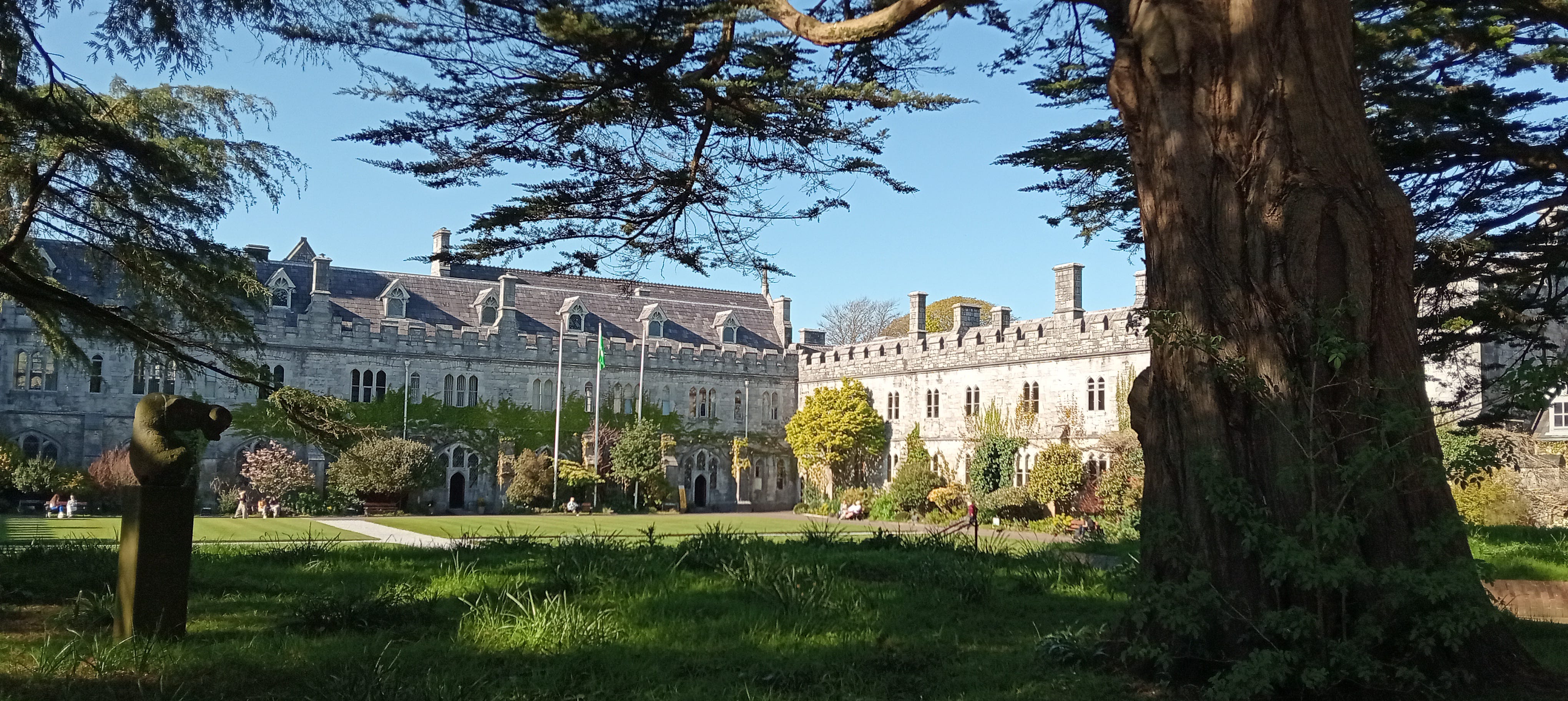
About a year ago, I joined a study circle of PhD students. As happens often in the Western academy, so steeped in conversations about internal power dynamics, the question of privilege came up. Several students, from both Europe and North America, talked about how they felt like they were particularly class privileged to be able to attend university and get PhDs. Even to those of us who might be the first in our families to get higher education, it can feel like we have so much more access to power. And, if class is simply defined as one identity among many, more education is supposed to make you middle or upper class, regardless of your income levels.
Liberal academia in general sees education as a privilege that gives academics a greater amount of power in society than the average person. And, it is true that some academics at least, and certainly university systems themselves, are deeply imbedded in the global capitalist order and part of what supports its power. And: it is probably also true that academics have an overinflated view of their own importance and power in today’s turbulent world.
However, I was struck looking around that table, at how few of us had significant privilege— in a material sense, not a metaphorical one. I knew that none of us were making a living wage, aside from the professors organizing the circle. Some of us were refugees, some of us grew up in poor families, some of us probably had access to family wealth, but all of us were definitely underpaid workers in a university system that exploited our labor to the fullest. Even tenured professors, at the end of the day, were simply workers in the industry of knowledge production, just with better security and pay.
I think the liberal academy equates visibility and the ability to speak and get published with real power. However, as I talk with more and more academics, from tenured professors in large projects to lowly PhD students barely surviving, none of us feel like we have a whole lot of real power to change the world or address the crises we face.
Perhaps this is in part because we should redefine power, or at least redefine our goal. Liberation or revolution does not come from being heard or feeling empowered or changing internal power dynamics. It comes from having the right to a full and good life with our needs met. Every human has that right. This should be the goal of a good society.
If that is the case, then the world is currently divided between people who extract labor, resources, and accumulate capital—and the rest of us trying to survive. Or the capitalists versus the working class. In this configuration, while plenty of academics can make it big and advise the capitalists, most of us are simply knowledge workers, one wing of the working class who might think we are really important, but are mostly just struggling to make a living like everyone else. Our interests lie with the working class because we are the working class.
I wonder if we could organize ourselves better if we recognize this.
I wonder if we could feel less despair if we frame ourselves this way.
I wonder if we would have the opportunity to rethink knowledge production as work. As valuable work. As important work. As work that is largely for the benefit of the capitalist class right now (which is why we sometimes feel like we are spinning our wheels in the West), but as work that could be remade into something that benefits society, that benefits all the people, that benefits the planet.
Many academics I know want to do those things.
But could we organize our own work so much better if we stop thinking of ourselves as privileged, and start thinking of ourselves as workers who need to organize ourselves and our labor for the good of the people of the world?
We might come up with better theory too. Because the nihilism is getting thick in here.
I went to church this last Sunday and it was a beautiful experience!!! I really appreciated everyone welcoming me. I had been to other Episcopal churches throughout my life, but it was my first time there and it was my first time back at church in a long time. I wanted to go to visit a friend and listen. And there were many things about the service that I loved!!! Many modern adaptions that I felt showed humanity is making progress in empathy. Some of my old favorites still existed too. One of my favorites always is "Peace be with you" "and also with you" and the wonderful ensuring hugs, handshakes and moments of appreciation amongst the congregation. What stood out in the service traditions was the seemingly constant reminder that we must be subservient to this father figure. I think the more we collectively realize we are the fathers and mothers of the planet, yes with a spiritual inner guidance ( but not a subservient one) but more of partners in this collective effort towards peace, happiness and freedom then I think we will be making the next strive forward.